
Events and Action
Where we’ve been and where we’re going!
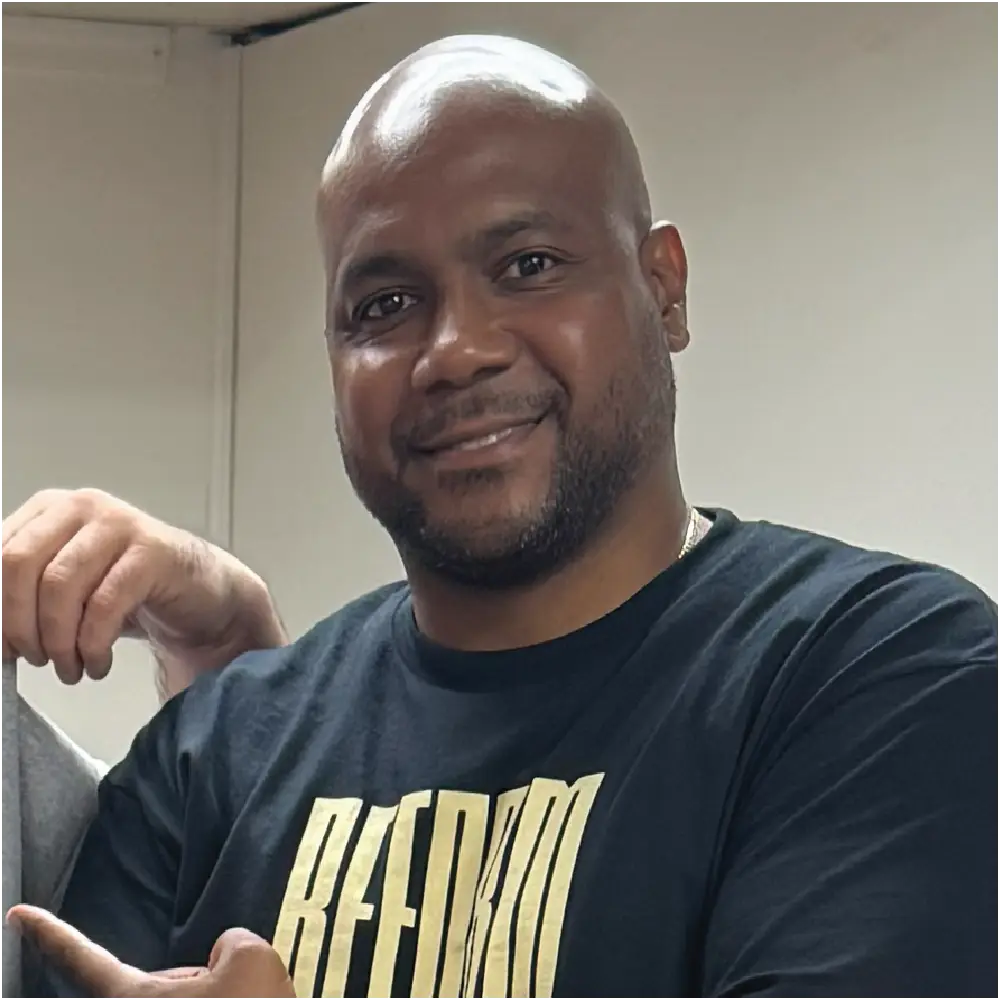
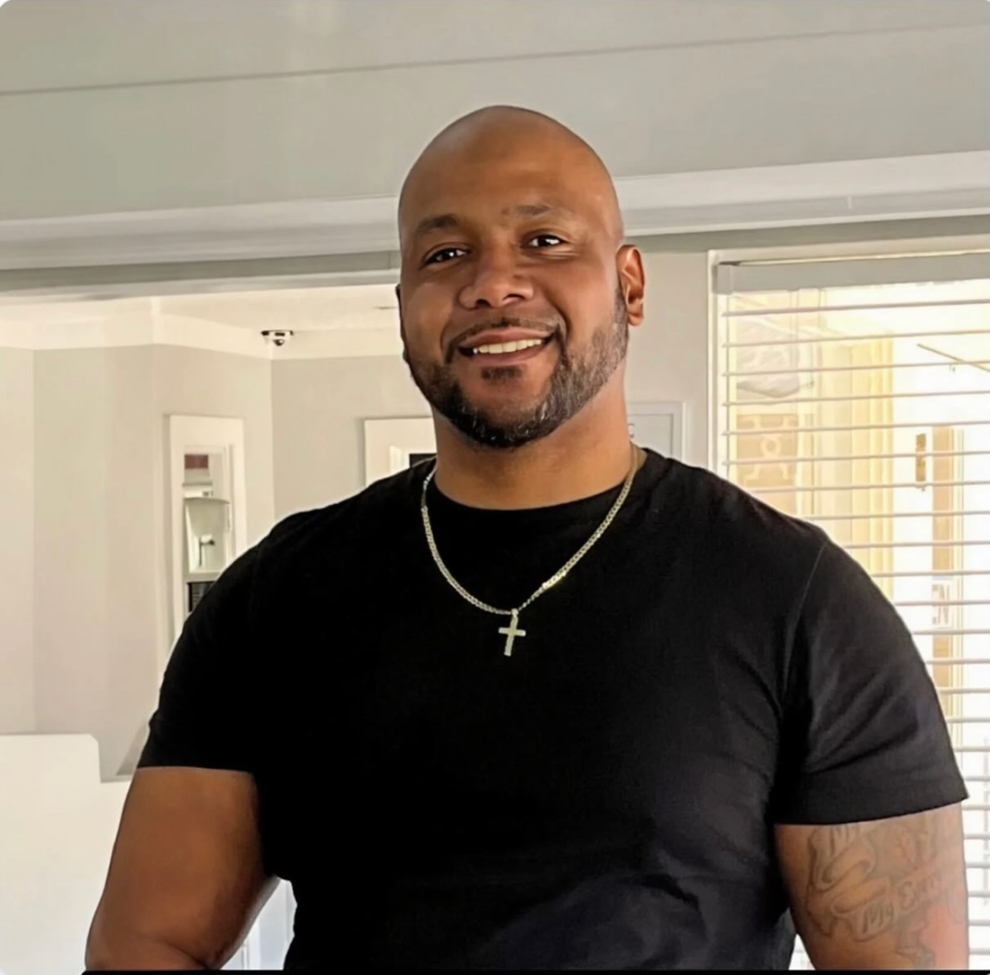
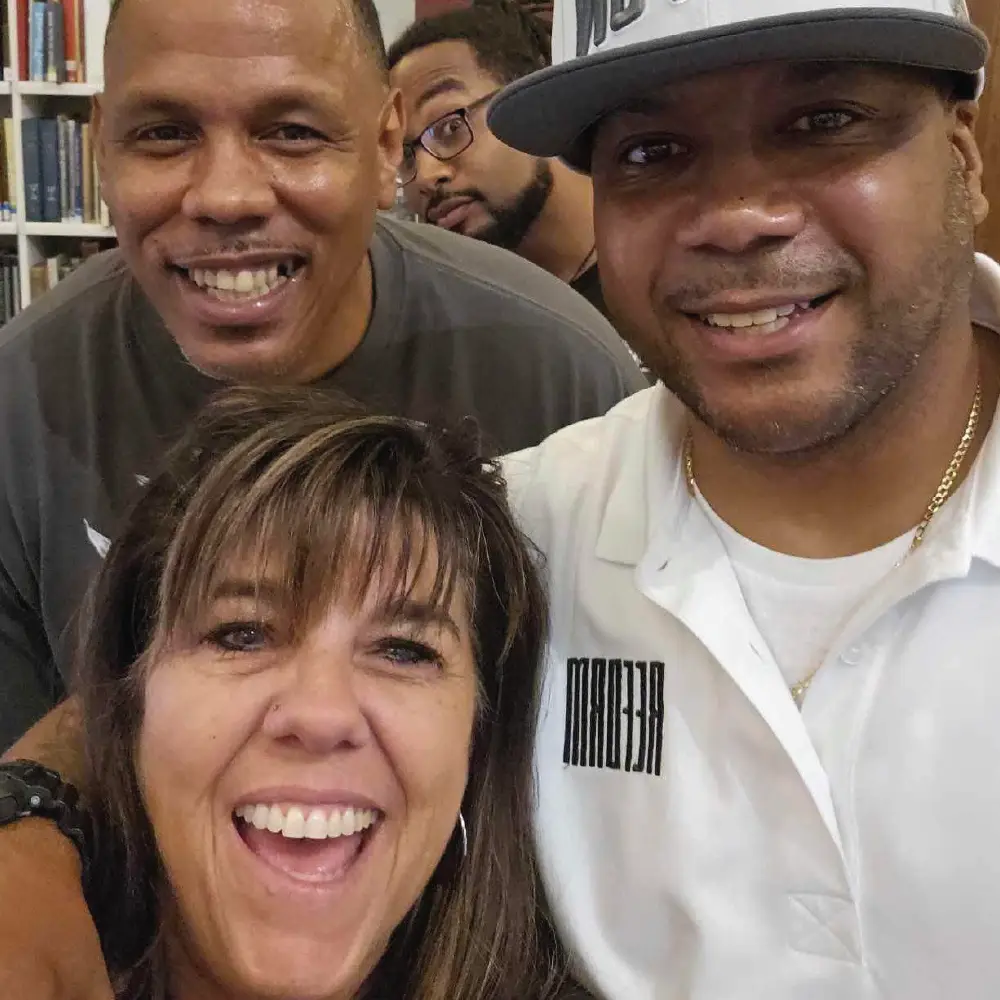
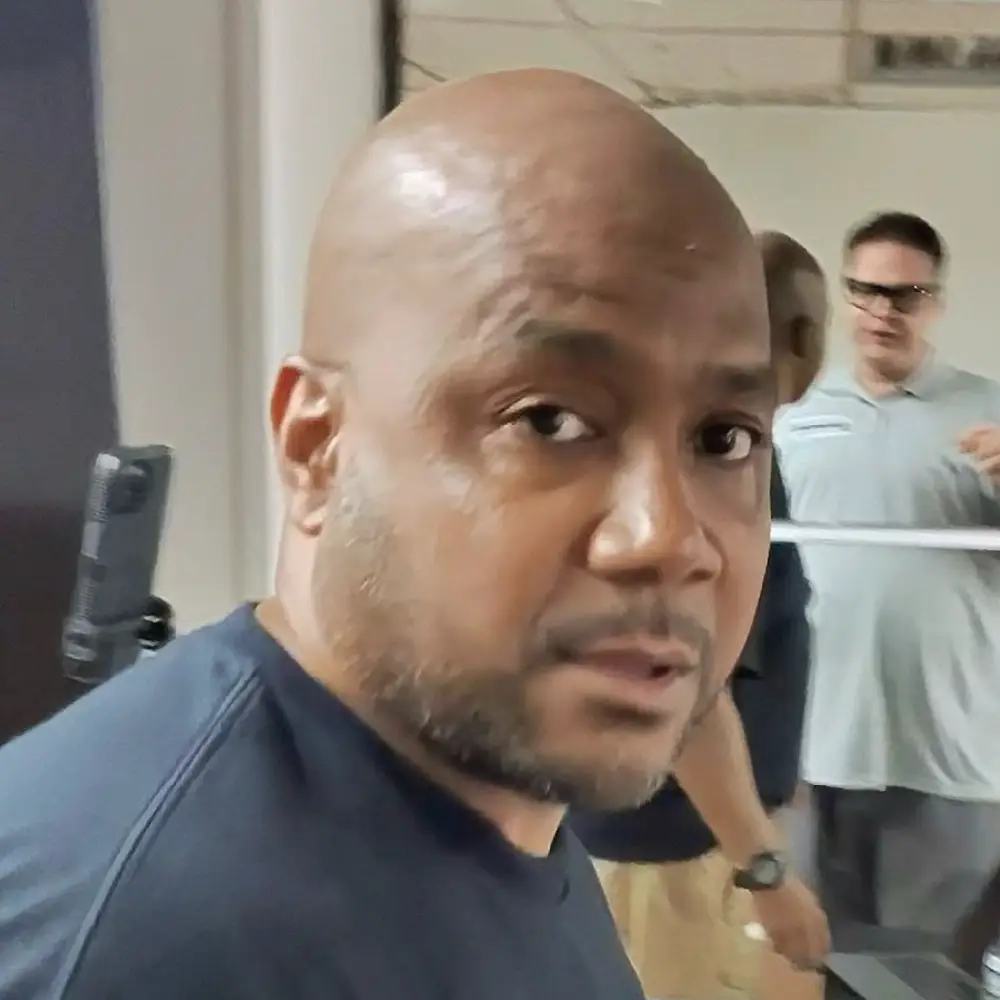
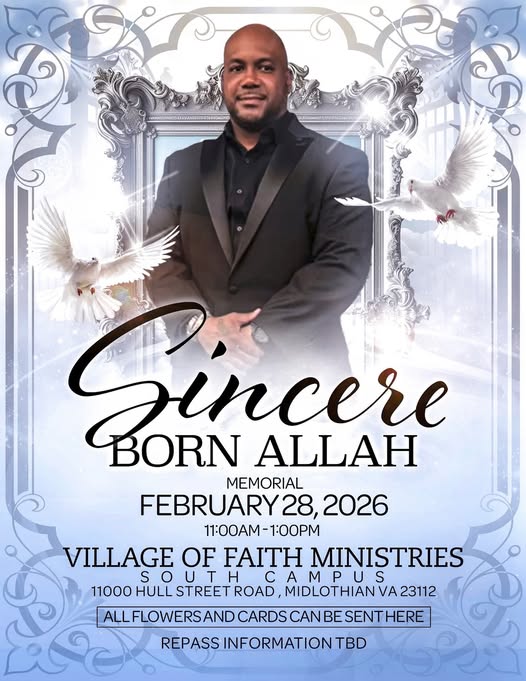
Virginia lost a powerful voice for justice, redemption and hope.
In January 2022, I was lucky to see my friend Sincere Allah after he walked out of prison. Just a few hours after his release, a small group of us gathered at his lawyer’s office to welcome him home. He was quiet at first, taking it all in, but you could see the determination in his eyes. He was ready to build a new life. In the years that followed, we became close not just as friends, but also as professional colleagues. He quickly became a steady presence in our circle of advocates and friends, someone who showed up, listened deeply and grounded others.
Physically, Sincere was the biggest and strongest among our group of friends, and whenever one of us moved, he always volunteered to help. Yet, despite being the strongest, he almost always insisted on carrying the lightest boxes.
At the time, we joked about it.
Looking back now, it feels different.
Friday, Feb. 13, Sincere took his own life following an acute mental health crisis. His death has left an enormous void in our advocacy community, in the halls of the General Assembly where he worked tirelessly, and most painfully, in the life of his daughter, whom he loved deeply.
His passing forces us to confront a difficult truth: Virginia is not doing nearly enough to support the mental health needs of people returning home after decades of incarceration.
I know this reality personally. Like Sincere, I spent many years in prison before receiving a second chance. And like him, I experienced firsthand how disorienting and emotionally fragile the transition back into the community can be after decades of institutionalization.
Reentry is often discussed in practical terms: housing, employment and supervision. Those issues matter enormously. But we rarely speak honestly about the psychological toll of returning home after 20 or 30 years behind bars.
Imagine leaving prison after decades away. The world, technology, social norms, and even how people communicate have changed. Family relationships may have shifted or fractured. Support networks may no longer exist. There is also profound grief for lost time, lost relationships and the life that might have been.
Many people who spend decades incarcerated entered the justice system as teenagers or young adults. They never had the opportunity to build mature friendships, develop healthy romantic relationships or learn the emotional skills most people gain through early adulthood. When they return home decades later, they are expected to instantly understand vulnerability, trust and conflict resolution. That transition can be overwhelming. Loneliness and deep emotional disconnection are common but rarely acknowledged realities of reentry.
At the same time, many returning citizens carry deep trauma, from childhood experiences, from violence inside correctional facilities and from the psychological effects of long-term incarceration itself. Yet our reentry systems remain designed largely around compliance and logistics, not emotional stability or mental health support.
Research increasingly shows that access to mental health care is one of the strongest predictors of successful reentry. But consistent, trauma-informed care remains limited and uneven for people leaving prison.
Tragically, we learned last week that this gap can be life-threatening.
If we are serious about public safety and successful reentry, mental health must become a central pillar of reentry policy, rather than an afterthought.
Sincere understood this deeply. After spending more than two decades incarcerated, he dedicated his life to helping others succeed where the system often sets them up to struggle. He believed people could change because he had done the hard work of changing himself.
We cannot honor this legacy with words alone. We must act on the lessons that both his life, and his death teach us.
I keep thinking back to those moving days, when Sincere, the biggest and strongest among us, would quietly reach for the smallest boxes.
We laughed about it, teasing him that someone built like him had no excuse to avoid the heavy lifting. He would just smile, never correcting us, never complaining.
Now I know he was carrying something we couldn’t see.
The truth is that the heaviest burdens people carry are often invisible: grief, isolation, trauma, the weight of lost years, and too many people coming home from prison are left to shoulder them alone.
We have to face a painful truth: strength doesn’t mean someone isn’t struggling, and survival doesn’t mean someone isn’t suffering. Too many people come home after decades in prison carrying the invisible burdens of grief, trauma, loneliness, and the weight of lost time, with no place to set them down.
And unless we build systems that see those burdens and help carry them, more lives will quietly slip away, just like Sincere’s did.
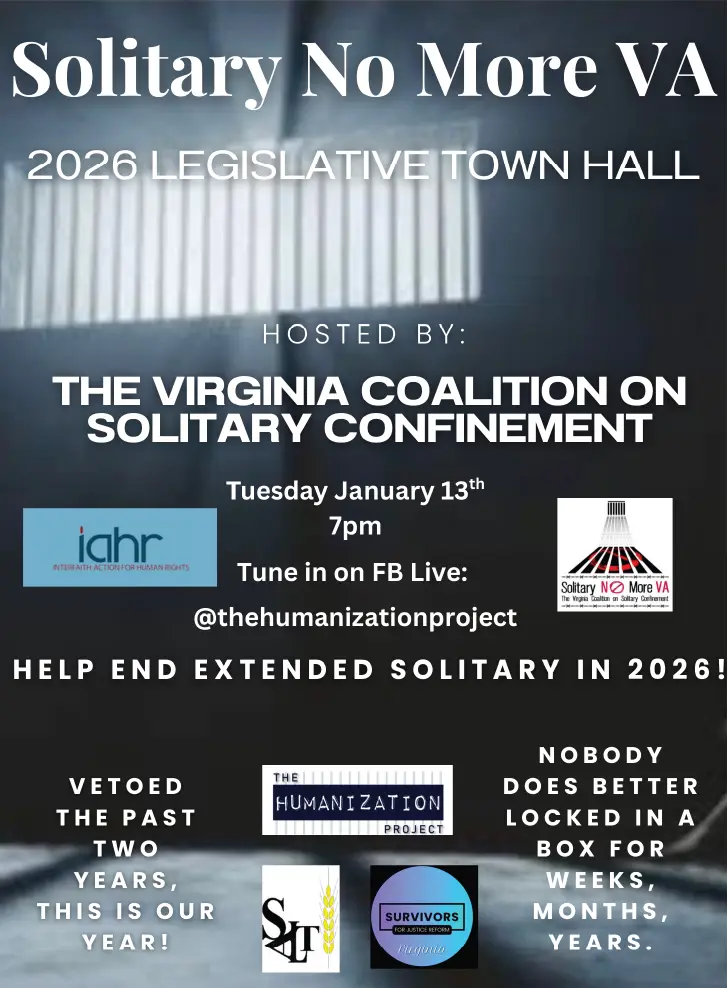
Solitary No More
Help End Long Term Solitary in 2026!
The Virginia Coalition On Solitary Confinement
Solitary Confinement Town Hall – January 13 at 7pm
Tune in LIVE! Find us on Facebook @thehumanizationproject
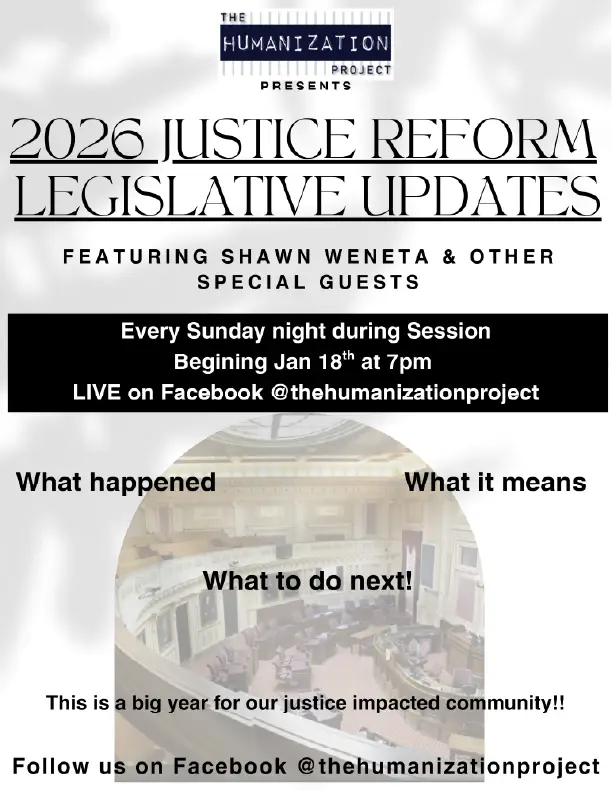
Justice Reform – 2026
What Happened & What does it mean?!
LIVE – January 18 and every Sunday till Legislative close – Find us on Facebook @thehumanizationproject
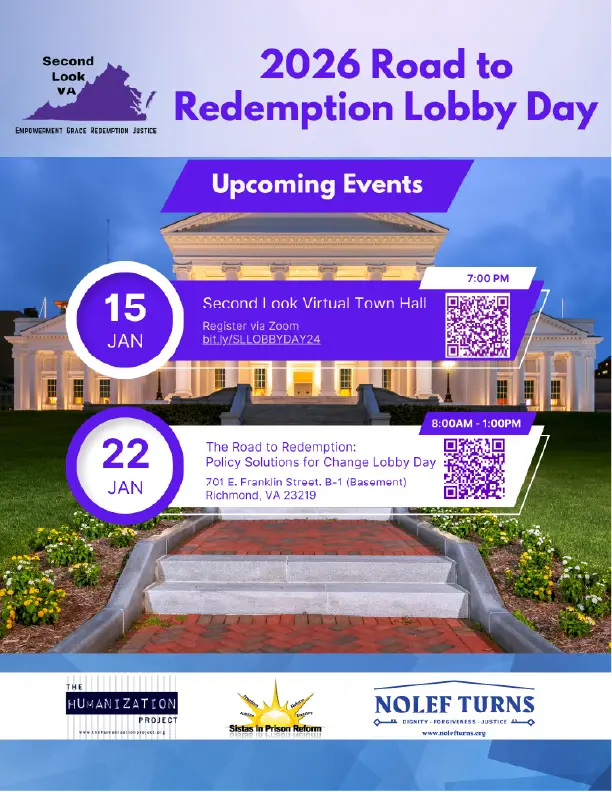

2026 Redemption Lobby Day
Jan. 15th & 22nd
Use the QR code to register!
Second Look Town Hall – January 15
The Road To Redemption – January 22!
The Data Says It All!
Oversentencing in Virginia:
A Deep Dive into The Numbers
& the Lives it Touches
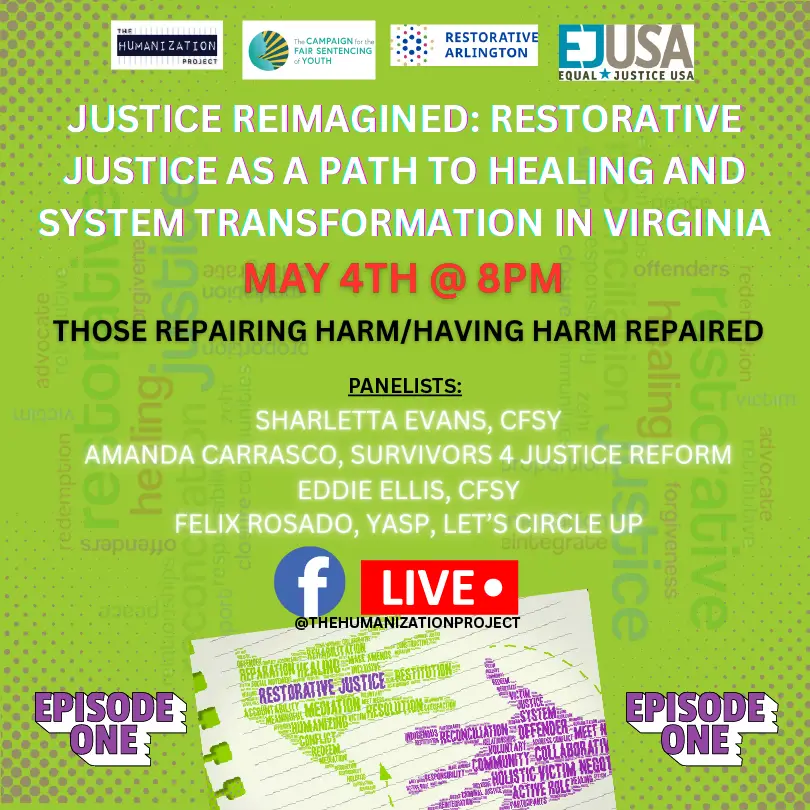
Justice Reimagined: Episode 1
Justice Reimagined: Episode 2
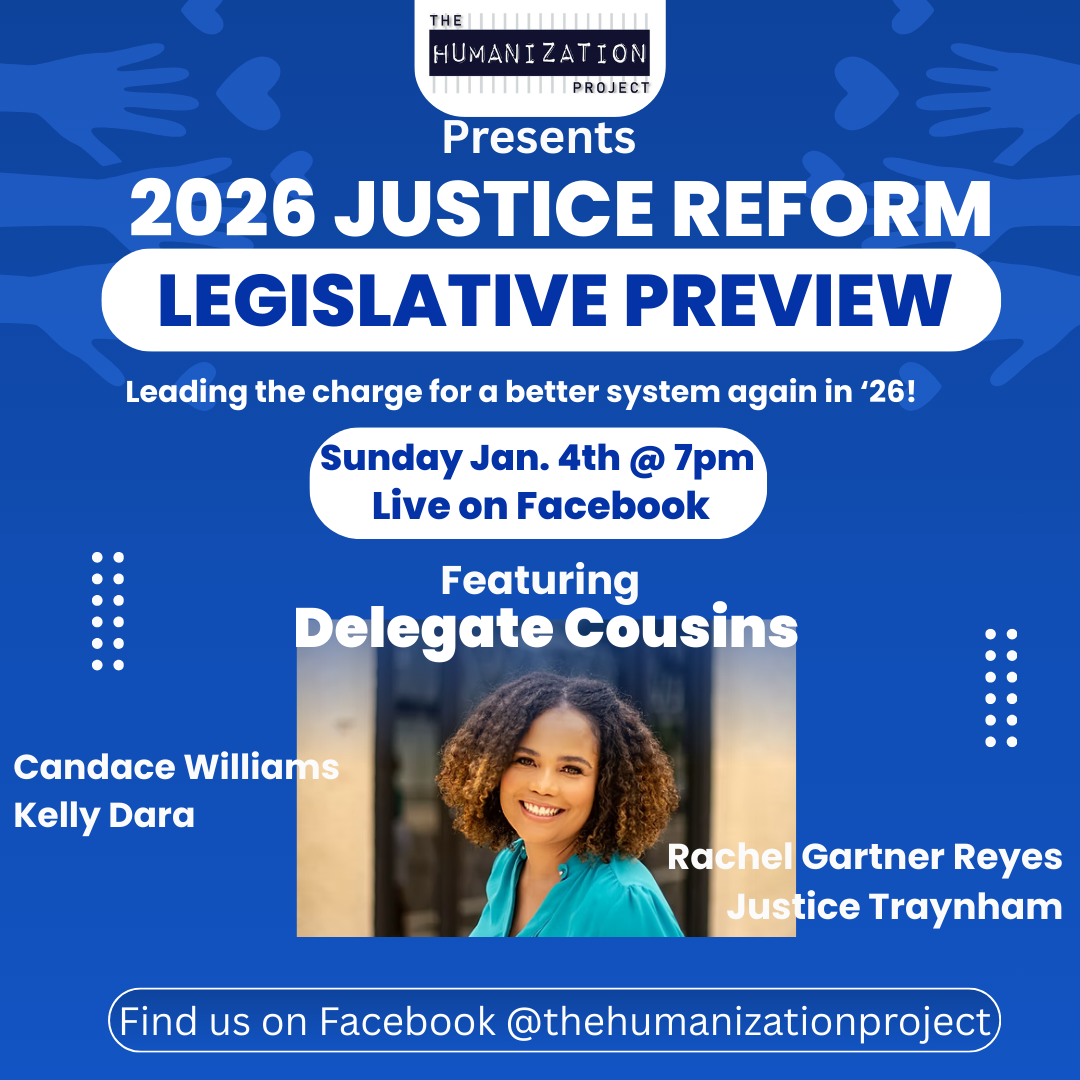
2026 Justice Reform
Jan. 4th
Sunday 7pm Live on Facebook
Featuring Delegate Cousins!
Find us on Facebook @thehumanizationproject
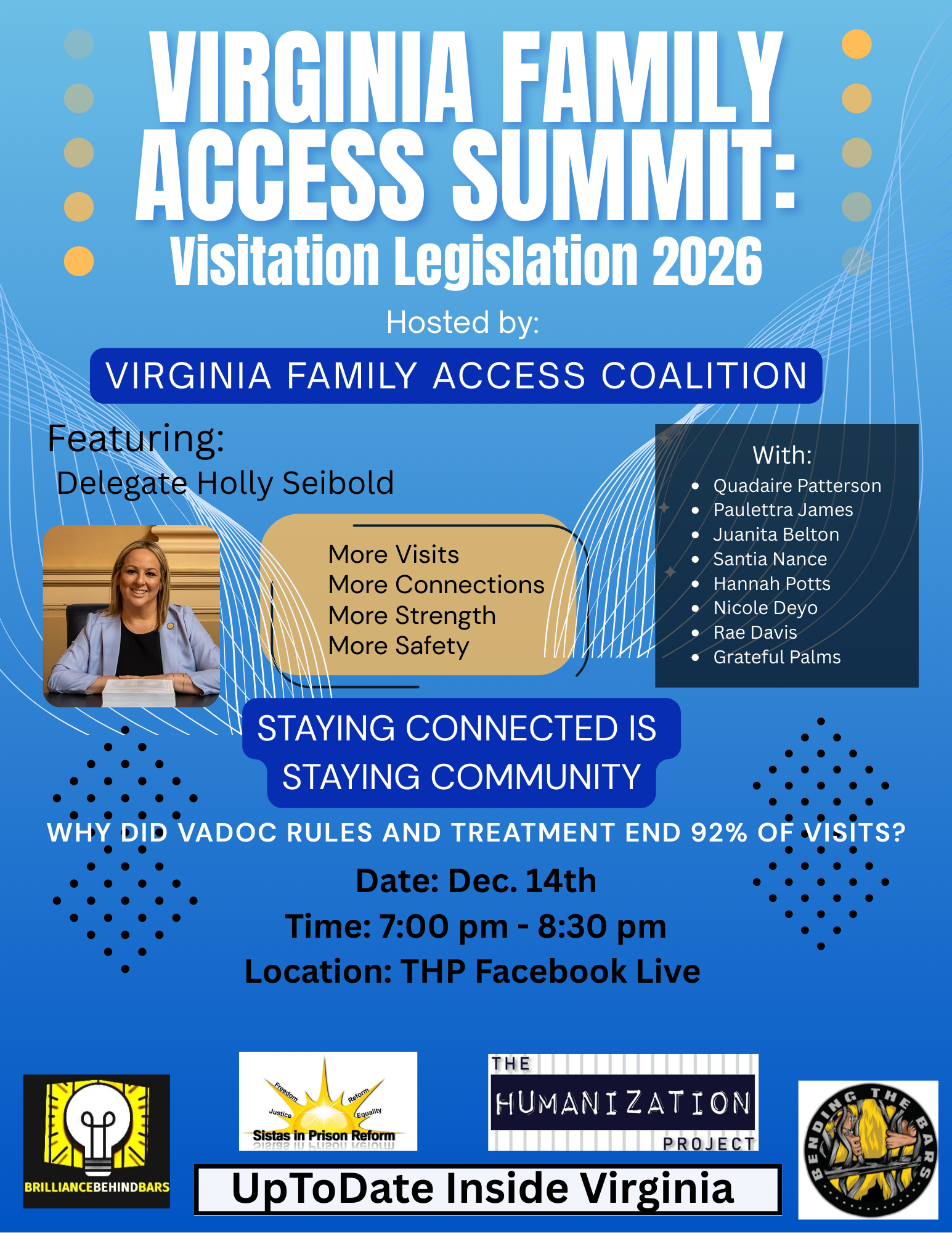
Virginia Family Access Summit: Visitation Legislation 2026
Sunday, December 14th – 7:00 pm – 8:30 pm
Live on THP Facebook
Don’t Miss It!
Featuring Delegate – Holly Seibold
Justice Reimagined RJ Episode 1
Video
THP 2026 Legislative Preview
VT Ripple Effects Cause Tidal Waves Video
Virginia Family Access Summit Visitation Legislation Live Dec 2025
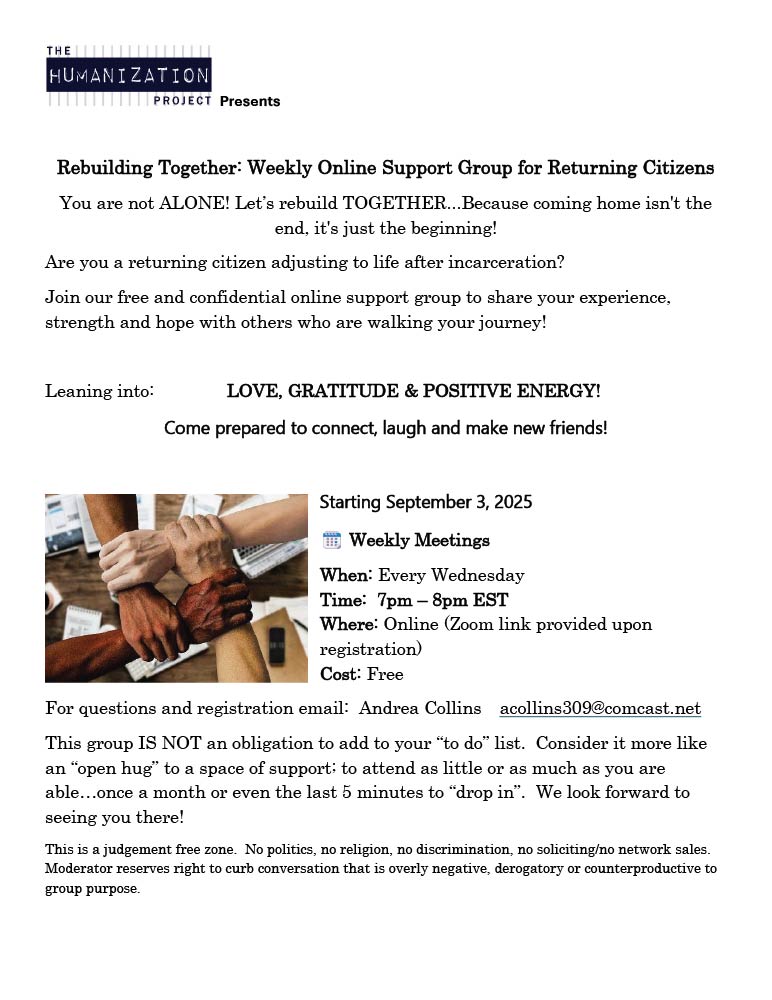
Rebuilding Together
Starting September 3, 2025
Weekly Meetings – Every Wednesday 7pm-8pm Zoom link with free registration. For any questions and or to register, email Andrea Collins – acollins309@comcast.net
Don’t Miss It!
Are you a returning citizen adjusting to life after incarceration? Join our free and confidential online support group to share your experience, strength and hope with others who are walking your journey!
Video
Justice Reimagined: Restorative Justice Live Episode 1
Video
Justice Reimagined: Restorative Justice Live Episode 2
So much opportunity ahead! From legislative wins to powerful community events, the movement for justice reform in Virginia is gaining momentum. Donate today! CashApp $HumanizationProject PayPal https://t.co/M0cfO1lqFe pic.twitter.com/U7J9Gc5y38
— Humanization Project (@HumanizationPro) May 6, 2025
Donate today!
So much opportunity ahead! From legislative wins to powerful community events, the movement for justice reform in Virginia is gaining momentum.
CashApp:
$HumanizationProject
Event: Spring Match
During our Spring 2025 Donation Match Challenge, every dollar you donate will be DOUBLED! Directly support the vital work of organizing, uplifting stories, and creating real change. Donate now – your impact will be doubled! $HumanizationProject or PayPal https://t.co/M0cfO1lqFe pic.twitter.com/LexCY20vg8
— Humanization Project (@HumanizationPro) May 5, 2025
Spring Match
During our Spring 2025 Donation Match Challenge, every dollar you donate will be DOUBLED! Directly support the vital work of organizing, uplifting stories, and creating real change. Donate now – your impact will be doubled!
CashApp:
$HumanizationProject
Video: Gin & Prince
In our first interview, I’m chatting with Prince. Prince is doing amazing work since he’s been out and is just an overall great human being. I just love being around him and listening to him talk. I was so honored to have him be our first interview. Enjoy!
Video: Taj
We want to hear from YOU!